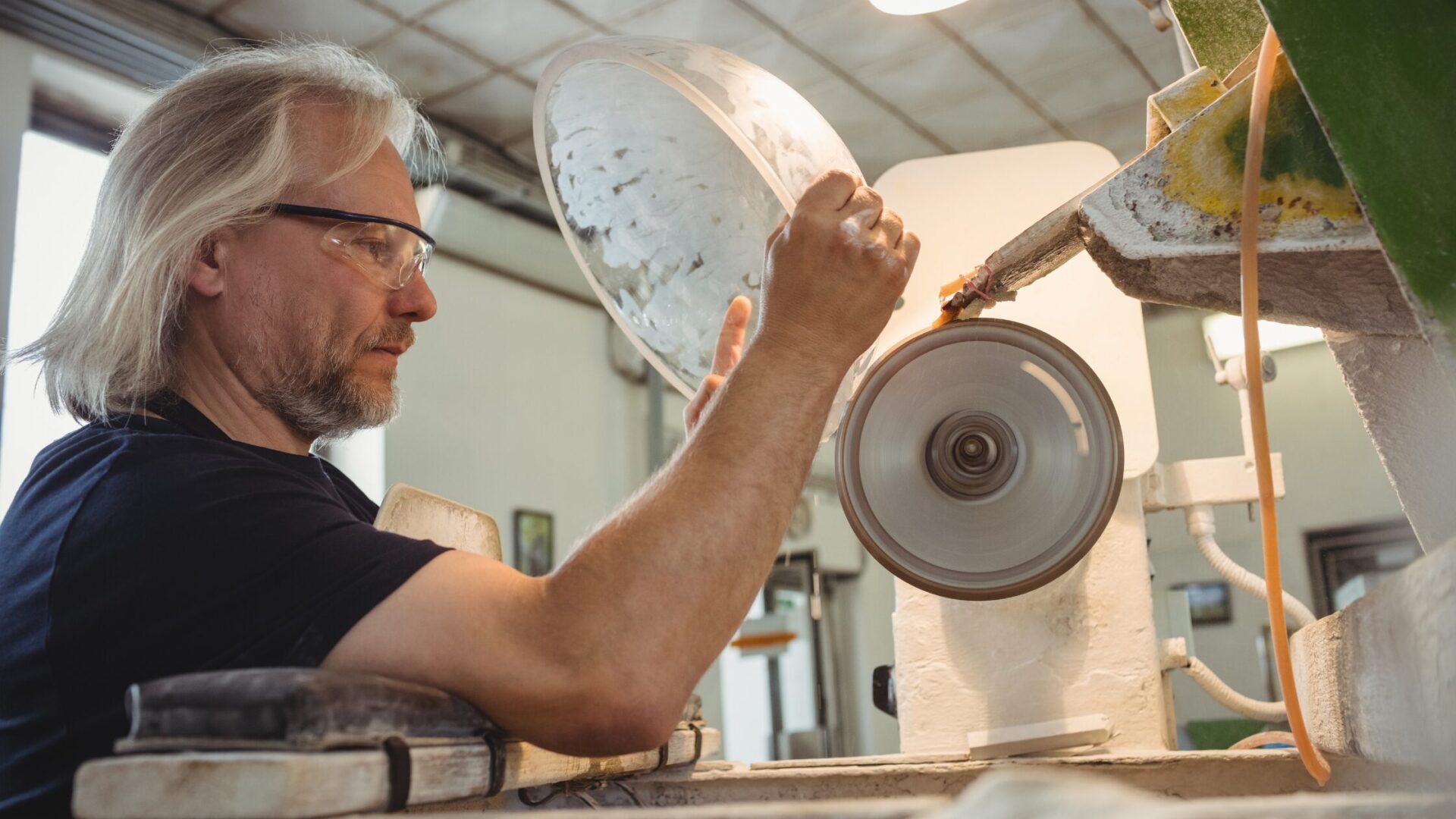
PCD Grewing Tool Helping Ceramic Manufacturers Achieve Perfect Edges
One small mistake during machining and the result is chipped edges, cracked surfaces, wasted material, and rework that nobody planned for. Ceramics may look smooth and refined once finished, but behind the scenes, working with them is tough, abrasive, and demanding on tools.
That’s where the PCD grewing tool quietly makes a powerful difference.
If you’ve ever struggled with uneven edges, tool wear happening faster than expected, or inconsistent finishes on ceramic components, you’re not alone. Ceramic manufacturers across tiles, sanitaryware, technical ceramics, and industrial components face the same challenges every day. The good news? The right tooling approach can completely change the outcome.
In this blog, we’ll explore how a PCD grewing tool helps ceramic manufacturers achieve clean, precise, and reliable edges without making things complicated or overly technical.
Why Ceramic Machining Demands a Smarter Approach
Ceramic materials are known for their hardness, brittleness, and abrasive nature. While these qualities make ceramics valuable in high-performance applications, they also make machining extremely challenging.
Traditional cutting tools often struggle because:
- Ceramics wear tools rapidly
- Heat builds up quickly during cutting
- Micro-cracks form along edges
- Surface finish becomes inconsistent
- Tool replacement costs rise unexpectedly
This is why many ceramic manufacturers realize that standard tooling solutions simply don’t last long enough or deliver the edge quality required. To maintain precision and productivity, tooling must be designed specifically for hard, abrasive materials.
This is where advanced diamond-based tooling steps in.
What Makes a PCD Grewing Tool Ideal for Ceramics
A PCD grewing tool is engineered using polycrystalline diamond material, which is exceptionally hard and wear-resistant. This makes it highly suitable for machining ceramics where edge quality and dimensional stability matter the most.
Unlike conventional tools, a PCD grewing tool is not just about cutting it’s about controlling the process. It allows manufacturers to maintain consistency even when working with tough ceramic compositions.
Key characteristics that make it effective include:
- Extremely high wear resistance
- Stable cutting performance
- Reduced heat generation
- Ability to maintain sharp edges longer
- Improved surface integrity
These qualities directly translate into better ceramic components and fewer production headaches.
Achieving Perfect Edges Without Chipping or Cracks
One of the biggest concerns in ceramic machining is edge chipping. Even small chips can make a component unusable, especially in visible or high-precision applications.
A PCD grewing tool helps control the cutting action in a way that minimizes stress on the ceramic surface. Instead of aggressive cutting that leads to fractures, the tool enables a smoother interaction with the material.
This results in:
- Clean, sharp edges
- Reduced micro-fractures
- Improved visual appearance
- Better dimensional accuracy
For ceramic tiles, insulators, substrates, or engineered components, this level of edge control makes a noticeable difference in quality.
Longer Tool Life Means More Stable Production
Frequent tool changes are not just annoying they interrupt workflows, increase downtime, and raise production costs. Ceramic materials can destroy standard tools quickly, making tool life a constant concern.
By using a PCD grewing tool, manufacturers experience significantly longer tool life. The diamond structure resists abrasion far better than traditional materials, allowing the tool to perform consistently over extended runs.
This leads to:
- Fewer tool replacements
- Stable machining parameters
- Reduced machine stoppages
- Predictable production schedules
Over time, this stability helps ceramic manufacturers improve efficiency without compromising quality.
Better Surface Finish with Less Post-Processing
Surface finish matters more than many people realize. Poor finishes often require additional grinding, polishing, or rework adding time and cost to production.
A PCD grewing tool produces smoother surfaces directly during machining. Because the cutting edge remains sharp and stable, the tool avoids tearing or dragging across the ceramic surface.
Benefits include:
- Reduced need for secondary finishing
- Consistent surface texture
- Improved product aesthetics
- Lower overall processing time
For manufacturers producing high-end ceramic products, this advantage alone can justify upgrading tooling strategies.
Reduced Heat and Improved Process Control
Heat is an invisible enemy in ceramic machining. Excessive heat can weaken tool edges and increase the risk of cracks in the ceramic material.
The design of a PCD grewing tool helps reduce friction during cutting, which in turn lowers heat generation. This controlled cutting environment protects both the tool and the ceramic component.
In many ceramic machining setups, this performance pairs well with complementary solutions such as a PCBN Special tool for specific hard turning or finishing operations, especially where thermal stability is critical.
Together, these advanced tools support a more controlled and predictable manufacturing process.
Supporting Clean Machining with Controlled Chip Flow
While ceramics don’t always produce traditional chips like metals, managing material removal is still important. Poor chip or debris control can affect surface quality and tool performance.
In some ceramic machining applications, Chip breaking inserts are used alongside diamond-based tools to help manage material behavior and keep the cutting area clean. When combined with a PCD grewing tool, this approach improves visibility, stability, and process safety.
Cleaner machining environments lead to:
- Better operator confidence
- Reduced tool damage
- Improved consistency
This combination becomes especially valuable in high-volume ceramic production.
Consistency Across Batches Builds Customer Trust
One of the hardest things in ceramic manufacturing is maintaining consistency from batch to batch. Slight variations in material composition or tool wear can cause noticeable differences in the final product.
A PCD grewing tool helps reduce these variations by delivering uniform performance over long production cycles. The result is consistent edges, stable dimensions, and repeatable quality.
This consistency:
- Reduces rejection rates
- Improves customer satisfaction
- Strengthens brand reputation
- Builds long-term business relationships
When customers know they’ll receive the same quality every time, trust naturally follows.
Adaptable to Different Ceramic Applications
Ceramic manufacturing is not one-size-fits-all. From structural ceramics to decorative tiles and advanced technical components, requirements vary widely.
A PCD grewing tool adapts well across different ceramic applications due to its durability and precision. Whether the focus is speed, surface quality, or dimensional control, the tool can be optimized to suit specific production goals.
In specialized setups, pairing it with a PCBN Special tool or selected Chip breaking inserts allows manufacturers to fine-tune performance even further.
Lower Overall Cost Despite Premium Performance
At first glance, advanced tooling may appear expensive. But experienced ceramic manufacturers know that the real cost lies in downtime, scrap, and rework.
When using a PCD grewing tool, the long-term savings often outweigh the initial investment because of:
- Extended tool life
- Reduced material waste
- Less re-machining
- Higher machine utilization
Instead of reacting to problems, manufacturers gain better control over production costs.
Why More Ceramic Manufacturers Are Making the Switch
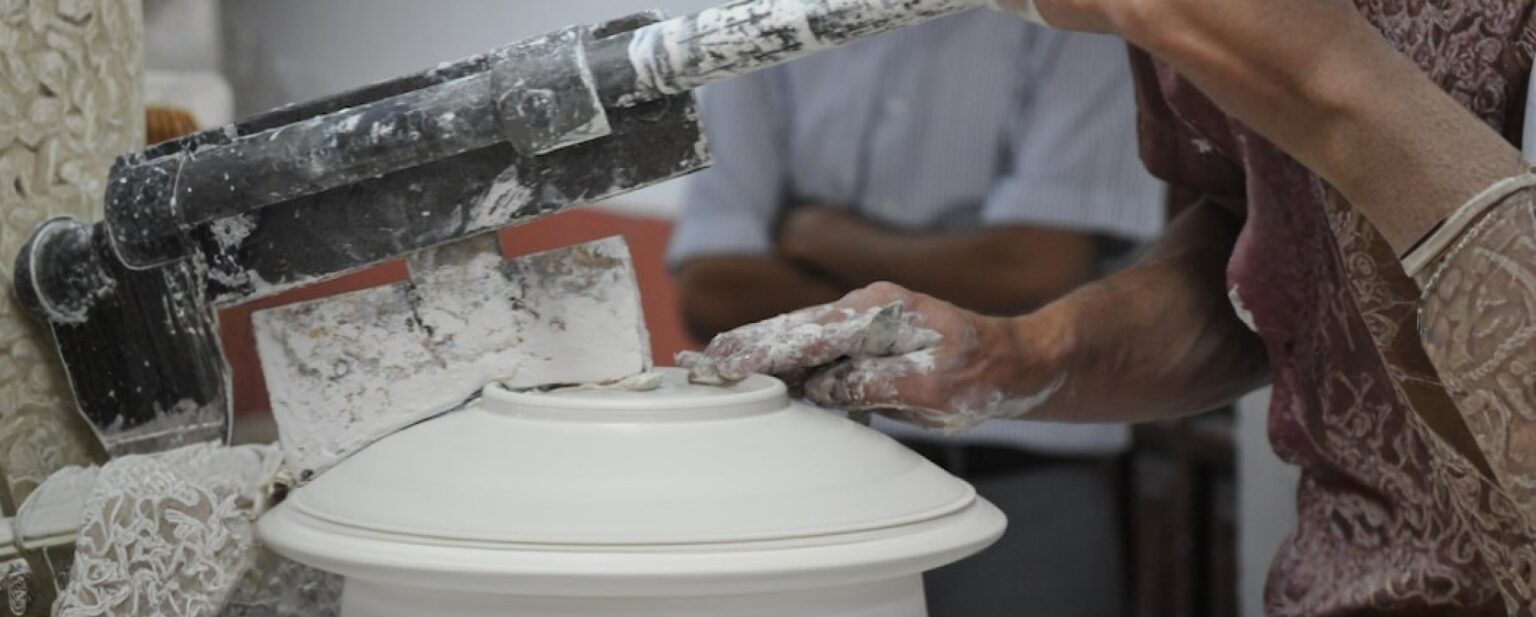
The ceramics industry is becoming more competitive, and customers expect higher quality with faster delivery times. Relying on outdated tooling methods makes it harder to meet these demands.
By adopting a PCD grewing tool, ceramic manufacturers position themselves for:
- Higher precision standards
- Scalable production growth
- Improved operational confidence
- Stronger market competitiveness
It’s not just a tooling upgrade, it’s a strategic improvement.
Conclusion
Perfect ceramic edges don’t happen by chance. They are the result of thoughtful material handling, controlled machining, and the right tools working together.
A PCD grewing tool gives ceramic manufacturers the precision, durability, and consistency needed to handle demanding applications with confidence. When supported by solutions like a PCBN Special tool and Chip breaking inserts, the entire machining process becomes cleaner, safer, and more reliable.
If your ceramic production still struggles with edge quality, tool wear, or inconsistent finishes, it may be time to rethink your tooling approach.
Sometimes, achieving perfect edges starts with choosing the right tool.
If you’re exploring ways to improve ceramic machining performance, connecting with experienced tooling specialists can help you identify the best solution for your specific application.