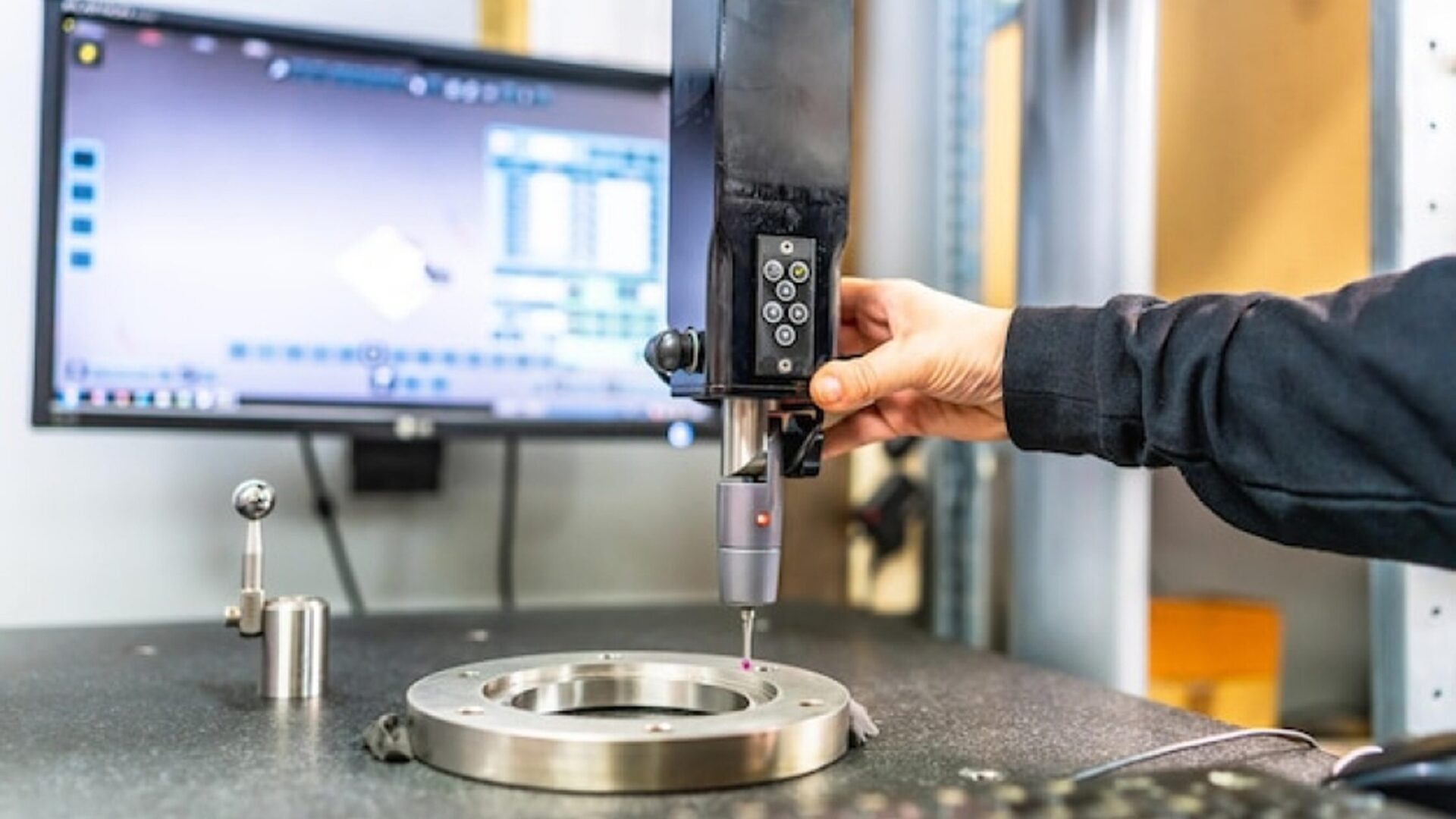
Precision Machining Tools That Are Transforming Modern Manufacturing
Modern manufacturing isn’t just about making parts anymore. It’s about getting things right the first time, keeping quality consistent as production scales, and meeting standards that seem to get stricter every year. Whether you’re producing automotive components, aerospace parts, industrial tooling, or high-volume engineered products, the pressure to deliver accuracy, speed, and reliability is always there.
This is exactly where Precision Machining Tools are changing the game.
Today’s manufacturers are moving away from conventional tooling and embracing smarter, more durable, and more predictable solutions. These tools don’t just cut material—they improve workflows, reduce waste, enhance surface finish, and bring long-term cost efficiency to the shop floor. Let’s explore how this shift is transforming modern manufacturing and why investing in the right tools is no longer optional—it’s essential.
The Changing Expectations in Manufacturing
Manufacturing has evolved rapidly over the past decade. Customers now expect tighter tolerances, better surface finishes, and shorter lead times, all while costs must remain competitive. Traditional machining methods often struggle to keep up with these demands, especially when working with harder materials or high-volume production runs.
This is where Precision Machining Tools step in as a solution rather than just an upgrade. They are designed to perform consistently under demanding conditions, helping manufacturers maintain quality while increasing productivity. Instead of adjusting processes to suit the tool, modern tools are engineered to adapt to advanced manufacturing requirements.
What Makes Precision Machining Tools So Important?
At their core, Precision Machining Tools are built for accuracy, repeatability, and stability. They allow manufacturers to achieve exact dimensions with minimal deviation, even during long production cycles. This reliability leads to fewer rejected parts, less rework, and smoother downstream operations.
More importantly, these tools support manufacturers in machining a wide range of materials from soft metals to hardened steels and advanced composites—without compromising performance. The result is a machining process that feels controlled, predictable, and scalable.
Better Surface Finish, Less Post-Processing
One of the biggest advantages manufacturers notice after switching to Precision Machining Tools is the improvement in surface finish. Cleaner cuts mean parts often come off the machine closer to their final form, reducing or even eliminating secondary finishing processes.
This improvement isn’t just about aesthetics. A better surface finish enhances part performance, improves fit during assembly, and increases product lifespan. For manufacturers, it also means reduced labor, lower energy consumption, and faster production cycles.
Tool Consistency That Supports Production Stability

In high-volume manufacturing, inconsistency is expensive. Frequent tool changes, unexpected wear, and variable cutting performance disrupt production schedules and increase downtime. Precision Machining Tools are engineered to deliver consistent cutting behavior, allowing operators to run machines with confidence.
This consistency is especially valuable when paired with accessories like a Diamond Dresser or a Multipoint Diamond Dresser, which help maintain cutting edge geometry and tool sharpness. Proper dressing ensures tools perform at their best throughout their service life, maintaining accuracy and reducing variability in finished components.
Supporting Advanced Materials and Hard Machining
As manufacturing moves toward stronger and more durable materials, tooling must evolve as well. Hard machining applications demand tools that can withstand heat, pressure, and abrasion without losing precision.
Advanced inserts such as PCD remetr PCBN inserts are increasingly used in combination with Precision Machining Tools to meet these challenges. These inserts enable stable cutting of hardened materials while maintaining dimensional accuracy and extending tool life. The result is a machining process that remains efficient even under extreme conditions.
Reduced Tool Wear and Longer Tool Life
Tool wear is one of the hidden costs in manufacturing. Frequent replacements not only increase tooling expenses but also lead to downtime and inconsistent output. Precision Machining Tools are designed with optimized geometries and superior materials to reduce wear and extend usable life.
When maintained correctly using proper dressing methods and high-quality accessories these tools remain effective for longer periods. This longevity translates into predictable tooling costs and improved planning for manufacturing operations.
Improving Efficiency Without Increasing Complexity
Many manufacturers hesitate to adopt new tooling technologies because they fear added complexity. However, modern Precision Machining Tools are designed to simplify operations rather than complicate them.
They integrate smoothly with existing machines, support automated processes, and reduce the need for constant manual intervention. With the right setup, operators spend less time troubleshooting and more time focusing on productivity and quality control.
Enhancing Accuracy Across Multiple Manufacturing Sectors
One of the strongest advantages of Precision Machining Tools is their versatility. From automotive and aerospace to industrial equipment and general engineering, these tools adapt to different production environments with ease.
When combined with proper dressing solutions like a Diamond Dresser or Multipoint Diamond Dresser, manufacturers can maintain tool accuracy across diverse applications. This adaptability makes them a smart long-term investment for facilities that serve multiple industries or frequently switch between product lines.
Lower Rejection Rates and Higher Customer Satisfaction
For customers, this translates into reliable products delivered on time. For manufacturers, it strengthens reputation, builds trust, and supports long-term business relationships.
Supporting Sustainable Manufacturing Practices
Sustainability is no longer just a trend it’s a requirement. Manufacturers are under pressure to reduce waste, lower energy usage, and operate more responsibly. Precision Machining Tools contribute to these goals by minimizing scrap, reducing rework, and improving overall process efficiency.
Longer tool life, fewer machine stoppages, and optimized cutting performance all play a role in creating a more sustainable manufacturing environment without sacrificing productivity.
Why Precision Machining Tools Are a Strategic Investment
Choosing the right tools is no longer just a technical decision it’s a strategic one. Precision Machining Tools help manufacturers future-proof their operations by supporting advanced materials, automation, and high-quality output.
When paired with reliable inserts such as PCD remetr PCBN inserts and maintained using effective dressing solutions, these tools deliver measurable value over time. They reduce operational stress, improve planning accuracy, and give manufacturers greater control over their production processes.
Looking Ahead in Modern Manufacturing
Manufacturing will continue to evolve, and expectations will only rise. Those who invest in smarter tooling today are better prepared to handle tomorrow’s challenges. Precision Machining Tools are not just transforming how parts are made, they’re redefining what manufacturers can achieve in terms of quality, efficiency, and reliability.
If you’re looking to improve machining accuracy, reduce waste, and achieve consistent results across your production line, now is the right time to rethink your tooling strategy. The right tools don’t just support manufacturing they elevate it.
If you’re exploring ways to enhance your machining performance or want guidance on selecting the right precision tooling for your applications, connecting with experienced professionals can help you take the next confident step forward.