Smarter Aerospace Production Starts with the Right PCD Endmill
Aerospace production leaves no room for guesswork. When components are designed to perform under extreme conditions, even the smallest machining inconsistency can lead to rejection. Every cut, every surface, and every micron must meet exact expectations because precision isn’t optional, it’s mandatory.
So here’s a simple but important question:
Are your cutting tools helping Aerospace productionmove forward or quietly holding it back?
In today’s competitive environment, smarter Aerospace production starts with smarter tooling choices. And one tool that continues to prove its value across advanced production lines is the PCD Endmill. When combined with the right supporting technologies, it becomes a powerful driver of accuracy, efficiency, and consistency.
Let’s break down how the right tooling decisions shape modern aerospace manufacturing and why they matter more than ever.
Why Tooling Plays a Critical Role in Aerospace production
Aerospace production deals with materials that push machines and tools to their limits. Lightweight alloys, composites, and advanced metals are essential for performance but difficult to machine.
What makes manufacturing especially demanding?
- Extremely tight tolerances
- High surface finish requirements
- Expensive raw materials
- Zero margin for error
- Strict quality and safety standards
In this environment, tool failure doesn’t just slow production it increases scrap rates, drives up costs, and impacts delivery timelines. That’s why eerospace production relies on cutting tools that offer predictable performance, long life, and clean cutting behavior.
This is where precision-focused tooling strategies come into play.
Understand the Value of PCD Endmill in Aerospace production
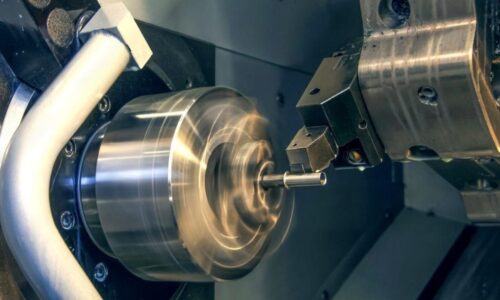
A PCD Endmill (Polycrystalline Diamond Endmill) is specifically designed to handle demanding materials with exceptional stability. In Aerospace production, it is widely used for machining aluminum alloys, carbon fiber composites, and other non-ferrous materials where surface integrity is critical.
Unlike conventional tools, a PCD Endmill offers:
- Extremely high wear resistance
- Stable cutting edges over long production runs
- Reduced heat generation
- Cleaner surface finishes
For Aerospace production, this means fewer tool changes, more consistent results, and improved machine uptime all without compromising part quality.
How PCD Endmill Improves Process Stability
One of the biggest challenges in Aerospace production is maintaining consistency across large batch sizes. Even minor variations can lead to inspection failures.
A PCD Endmill helps stabilize the machining process by:
- Maintaining sharpness over extended cycles
- Reducing vibration during high-speed cutting
- Delivering uniform chip formation
- Minimizing dimensional variation
When tools behave predictably, operators spend less time adjusting parameters and more time producing quality parts. That reliability is essential in Aerospace production environments where every second and every cut counts
Material Challenges in Aerospace Production and How Tools Solve Them
Modern Aerospace production increasingly uses advanced materials to reduce weight and improve performance. However, these materials often bring new machining challenges.
Common material issues include:
- Built-up edge in aluminum alloys
- Delamination in composites
- Rapid tool wear with conventional carbide tools
A PCD Endmill is designed to address these exact challenges. Its diamond structure reduces friction, controls heat, and maintains edge integrity even during long machining cycles.
This allows Aerospace production teams to achieve higher feed rates while maintaining surface quality and dimensional accuracy.
The Supporting Role of Diamond Wheels in Tool Performance

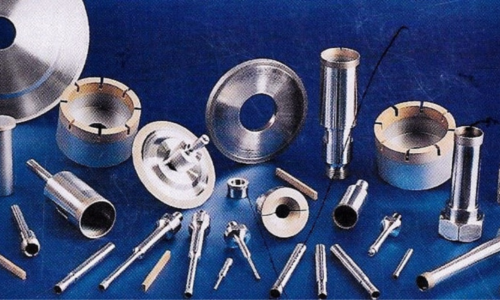
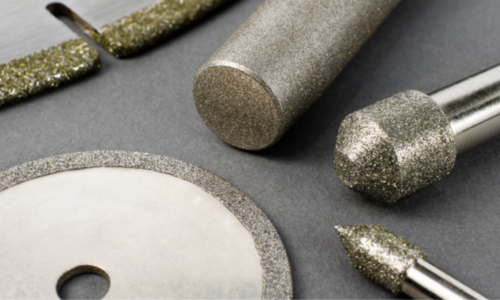
While cutting tools often get the spotlight, Diamond Wheels quietly play a critical role behind the scenes in Aerospace production,
Diamond Wheels are used for:
- Precision grinding of cutting tools
- Maintaining sharp and accurate tool geometry
- Achieving consistent edge quality
In Aerospace production, tool accuracy starts long before the tool reaches the machine. Proper grinding and finishing ensure that tools perform exactly as intended.
When Diamond Wheels are used correctly, they help extend tool life and improve cutting stability both essential for high-value production components.
Chip Control Matters More Than You Think
Chip management is often overlooked, but in Aerospace production, it’s a major factor in surface quality and machine safety.
Poor chip control can lead to:
- Surface scratches
- Tool damage
- Heat buildup
- Machine downtime
That’s where Chip breaking inserts come into play. These inserts are designed to break long, continuous chips into manageable segments, keeping the cutting zone clean and controlled.
When combined with precision tools like a PCD Endmill, chip control becomes predictable supporting smoother workflows and safer operations in Aerospace production environments.
Reducing Costs Without Compromising Quality
A common misconception is that premium tools increase production costs. In Aerospace production manufacturing, the opposite is often true.
Using the right tools helps reduce costs by:
- Lowering tool replacement frequency
- Minimizing scrap and rework
- Reducing machine downtime
- Improving cycle time consistency
Although advanced tooling may have a higher initial cost, the long-term savings in Aerospace production far outweigh the upfront investment.
The real cost isn’t the tool, it’s rejected parts, missed deadlines, and inconsistent quality.
Process Optimization Through Smarter Tool Selection
Aerospace production isn’t just about machines it’s about systems. Every element, from tooling to process planning, must work together seamlessly.
Smarter tool selection allows manufacturers to:
- Standardize machining parameters
- Improve repeatability across shifts
- Reduce operator dependency
- Scale production with confidence
By choosing tools designed specifically for Aerospace production demands, production teams can focus on efficiency without sacrificing quality.
Meeting Aerospace Quality Standards with Confidence
Compliance and traceability are non-negotiable in Aerospace production. Every component must meet strict inspection standards.
Precision tooling supports compliance by:
- Delivering consistent surface finishes
- Maintaining dimensional accuracy
- Reducing variability between parts
When machining processes are stable and repeatable, quality inspections become smoother and confidence in final components increases.
The Future of Aerospace production Depends on Precision
As Aerospace production continues to evolve, expectations will only increase. Lightweight designs, tighter tolerances, and faster production cycles will demand even more from machining tools.
Manufacturers that invest in precision-focused tooling today are better prepared for:
- Advanced materials
- Automation-driven production
- Higher-volume aerospace programs
Smarter aerospace manufacturing isn’t about chasing trends it’s about building a reliable foundation that supports long-term growth.
Conclusion
At its core, aerospace manufacturing is a balance between innovation and precision. Every decision from materials to machines to cutting tools plays a role in final performance.
Choosing the right PCD Endmill, supported by accurate grinding through Diamond Wheels and controlled chip flow using Chip breaking inserts, helps Aerospace production teams achieve cleaner cuts, longer tool life, and more predictable results.
Want to explore how the right cutting tool solutions can support your Aerospace production goals? A quick conversation can help you identify the best approach for your process. Click Here!