Small Tooling Decisions Around PCD Endmill Use Often Lead to Bigger Production Outcomes
Small Decisions Often Create the Biggest Manufacturing Impact
Step into a contemporary machine shop and you would see nothing but harmony on the surface. The machines will be working around the clock, workers will concentrate on their tasks, and manufactured parts will flow freely from one process to another.
However, behind each of those production operations lies a multitude of small decisions affecting the result.
Those decisions may be related to machine operation parameters.
They may refer to cutting speed or work material handling. They can also be related to tooling.
One of the least recognized but critically important tooling decisions when it comes to high precision machining is choosing a PCD Endmill.
In theory, changing the endmill used for machining seems like a minor tweak in a whole process. In practice, many production companies mistakenly believe that, provided their equipment and materials are of high quality, the production efficiency remains steady.
But a seasoned manufacturer knows that this is far from being true.
Even a slight difference in tooling performance can gradually affect the surface finish, part accuracy, production speed, vibrations, and, of course, general machining efficiency.
The best thing about
Why Modern Machining Requires Better Tooling Stability
There have been many transformations in the field of manufacturing through the years.
Industries today deal with tough materials, complex components design, and tight tolerance dimensions.
Consumers today expect flawless finishes, fast delivery, and utmost precision in the manufacturing process.
Such increasing challenges mean that even a slight instability in tooling may result in bigger manufacturing issues.
This is precisely the reason why PCD Endmill Solutions are increasingly important to industries requiring precise machining operations and durable tools.
PCD Endmill solutions are designed to provide stable machining capabilities despite difficult manufacturing environments.
A dependable service provider recognizes that stable machining does not come by chance.
It is achieved through proper tooling selection and planning.
Why PCD Endmill Performance Influences More Than Cutting
The majority of manufacturing teams tend to believe that tooling only influences the actual machining phase.
However, the impact of PCD Endmill transcends mere material removal.
A high-quality and reliable PCD Endmill significantly influences machining vibration, accuracy, heat generation, surface finish quality, and production efficiency.
In case of low-quality tools, machining complications usually start gradually.
For example, operators might experience slightly inconsistent surface finishes or increased machining noise. Accelerated tool wear rates might be noticed, as well as more frequent machine adjustments.
At first, such problems might not appear to be too much of an issue.
Gradually, though, tooling instability starts to decrease productivity and raise manufacturing costs.
Reliable PCD Endmill manufacturers concentrate on the development of products that will ensure machining stability under extended machining runs and challenging conditions.
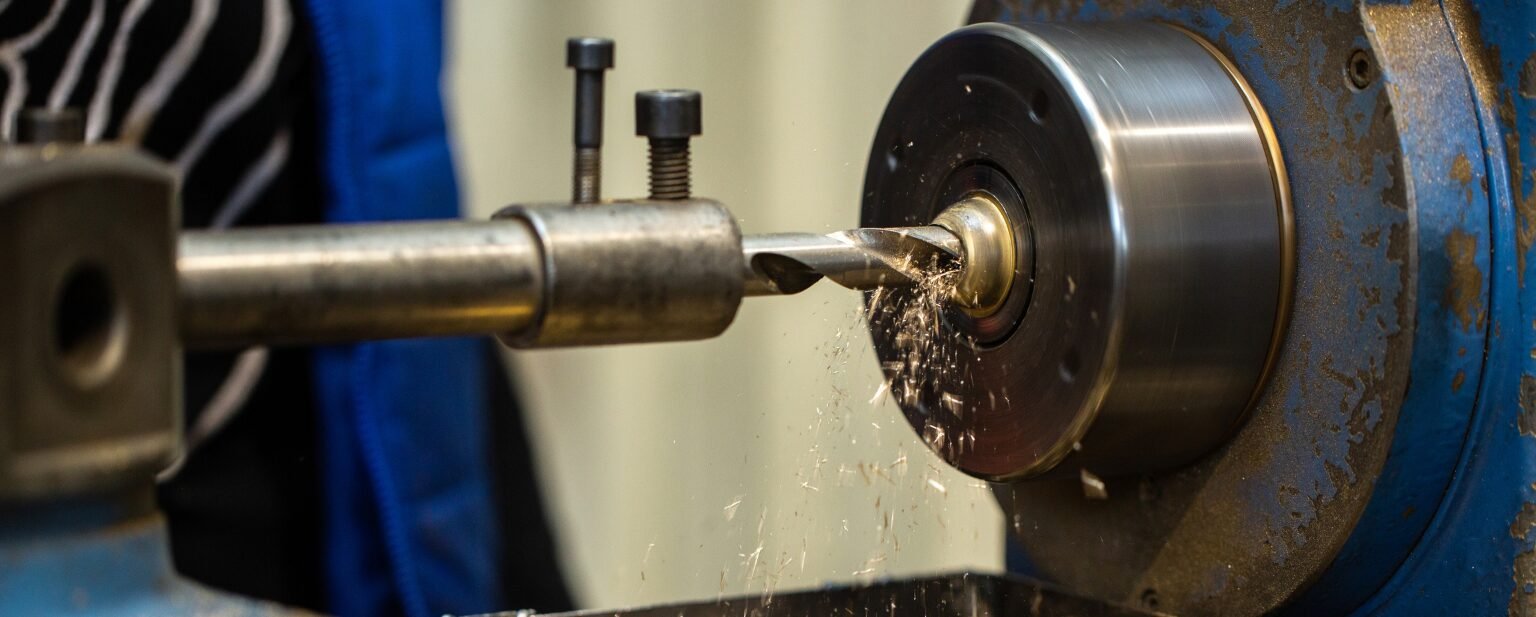
Diamond Cutting Tools Supporting High-Precision Operations
Diamond Cutting Tools Help Improve Machining Consistency
Today’s industries rely on sophisticated Diamond cutting tools due to their excellent hardness, strength, and precision in cutting.
Such tools have become common in industries where machining results determine the functionality of products.
Nevertheless, even highly efficient Diamond cutting tools need stable cutting conditions to work efficiently.
Low-quality PCD Endmill installations may lead to vibration, inconsistent cutting pressures, and overheating during machining.
This situation may lead to poor quality machining results, reducing the efficiency of tools and affecting other processes.
A reputable manufacturer knows that consistent tooling is crucial for improving the efficiency of Diamond cutting tools.
When buying from a dependable supplier, manufacturers will benefit from well-designed tooling systems for machining.
Diamond Tools Continue Supporting Modern Manufacturing
In sectors like aerospace, automotive, electronics, and medical devices manufacturing, modern Diamond tools still play an important role in precise machining.
This type of machinery is favored since it offers both high precision and durability in difficult machining procedures.
Nevertheless, fluctuating conditions of the tools due to subpar PCD Endmill performance might negatively impact the effectiveness of other Diamond tools.
This will result in irregular machining processes, unnecessary stress for the machines, and decreased efficiency.
A well-versed Service professional knows that consistency in tooling systems results in efficient manufacturing processes.
That is why nowadays, most sectors tend to prioritize reliable tooling systems over faster cutting speeds.
Why PCD Growing Tool Applications Need Better Tooling Control
The demand for advanced PCD growing tool solutions continues increasing because manufacturers now require greater machining precision and process stability.
These tooling systems are commonly used in industries where component quality and dimensional accuracy are extremely important.
However, even advanced PCD growing tool applications depend heavily on stable machining conditions.
Poor-quality PCD Endmill solutions may create unstable cutting performance that affects surrounding tooling operations.
This can lead to inconsistent dimensions, surface irregularities, and higher rejection rates.
A knowledgeable Manufacturer understands how important tooling compatibility is for maintaining stable production performance.
This helps businesses improve machining consistency while reducing long-term operational risk.
PCD Inserts and Overall Process Stability
Modern machining operations often depend on advanced PCD inserts for high-precision cutting and long tool life.
These inserts are designed to support stable cutting performance in demanding machining environments.
However, unstable PCD Endmill performance can negatively affect the efficiency of nearby PCD inserts and create additional process instability.
When cutting conditions become inconsistent, operators may need to adjust machining parameters more frequently.
This interrupts production flow and reduces machining efficiency.
A dependable Supplier helps manufacturers select tooling systems that work together smoothly for improved production stability.
Small Tooling Problems Usually Grow Slowly
One of the biggest challenges in manufacturing is that tooling problems rarely appear suddenly.
Most production instability develops gradually over time.
At first, operators may notice only minor machining inconsistencies.
Surface finish may vary slightly between batches. Cutting vibration may increase during longer machining cycles. Tool wear may become less predictable.
Initially, production may continue normally.
But over time, unstable PCD Endmill performance can create larger operational problems including:
- Reduced machining accuracy
- Increased machine downtime
- Faster tool replacement
- Poor surface quality
- Higher rejection rates
- Lower production efficiency
A trusted Manufacturer focuses on preventing these issues through engineering precision, quality control, and reliable tooling design.
Heat Generation Quietly Reduces Machining Efficiency
Heat is one of the biggest hidden causes of machining instability.
Poor-quality PCD Endmill solutions often generate excessive heat because of unstable cutting geometry and inconsistent cutting pressure.
This heat can damage both the component and surrounding tooling systems.
It may also reduce the performance of nearby Diamond cutting tools and increase long-term machine stress.
A skilled Service provider helps manufacturers optimize tooling conditions to improve heat control and machining stability.
This creates smoother machining performance and better long-term reliability.
Why Focusing Only on Price Often Creates Bigger Costs
Many businesses focus mainly on initial Price when selecting tooling solutions.
At first, lower Price may appear attractive because it reduces immediate purchasing costs.
But unstable tooling often creates hidden production expenses that become much larger over time.
Frequent tool replacement, lower machining efficiency, increased downtime, and inconsistent product quality all increase operational costs indirectly.
A dependable Supplier helps manufacturers understand that long-term value matters more than choosing the lowest Price.
When businesses Buy high-quality PCD Endmill solutions from an experienced Manufacturer, they often reduce operational risk while improving production efficiency.
Stable Tooling Improves Operator Confidence
Operators work more effectively when machining conditions remain stable and predictable.
Frequent tool changes, inconsistent cutting behavior, and constant machine adjustments create stress inside the production environment.
Reliable PCD Endmill solutions help improve machining consistency and reduce unnecessary interruptions.
This allows operators to focus on maintaining production flow instead of troubleshooting tooling instability.
An experienced Service provider can further support production teams by helping optimize tooling selection and machining parameters.
Automation Requires Reliable Endmill Performance
Manufacturing processes today are relying more and more on automation and extended production cycles.
Automation requires tooling to be very stable since disruptions will lead to decreased efficiency and increased complexity of operations.
Low-performance PCD Endmills may lead to such instability, resulting in disruption of production and reliability problems with machines.
A progressive Manufacturer focuses on developing tooling products especially tailored for automated and fast production processes.
Why the Right Supplier and Manufacturer Matter
Effective machining operations do not just rely on sophisticated machines.
A Reliable Supplier is someone who can assist manufacturers to choose appropriate tooling equipment depending on their machining needs, material types, and production objectives.
A Reliable Manufacturer will be concerned with precision and reliability.
A Reliability Service provides assistance in ensuring the right use of the tooling equipment during machining operations.
Preparing for Future Production Challenges
Expectations regarding manufacturing will keep rising.
Increased tolerance, speed, finish, and reliability will all be expected by companies.
That’s why superior PCD Endmill products will always remain relevant in machining applications.
Any futuristic-oriented Manufacturer is constantly upgrading his or her tools to match evolving production requirements.
Those Manufacturers that invest in reliable machining tools now will be able to meet future machining demands.
Final Thoughts
A wide range of manufacturing challenges starts off with minor issues of tools, which accumulate over time.
In many cases, the inefficiency and inconsistency of tool performance are some of the most common hidden factors limiting efficient operation in many machining shops.
It is for this reason that choosing the right PCD Endmill has become vital in ensuring steady machine performance and manufacturing efficiency.
Coupled with the use of Diamond Cutting tools, reliable Diamond tools, precise PCD Growing Tool System, and efficient PCD Inserts, the right tooling solution can contribute to efficient manufacturing processes and better control of manufacturing operations.
Together with a reputable Supplier and reliable Manufacturer, manufacturers can minimize hidden machining inefficiencies and optimize manufacturing performance.
Since in manufacturing, the smallest factor can have a huge impact on performance and productivity.